Every summer, thousands of New Jersey homeowners picture it: a sparkling inground pool in the backyard, cold drinks, kids splashing, neighbours quietly envious. Then comes the part nobody talks about in those daydreams. The weeks of research. The contractor calls. The confusion over which pool type is right for your yard, your budget, and your life.
The problem is that most of that research leads to vague comparisons and sales pitches that leave you more confused than when you started. Fiberglass, vinyl, concrete, gunite. Costs that swing wildly depending on who you ask. Timelines that seem too good to be true, or too long to bear.
Here is the truth: a fiberglass pool is one of the smartest investments a New Jersey homeowner can make, but only when it is the right fit for your yard and lifestyle. This guide walks you through everything you need to know, from how fiberglass pools are built to what they cost in NJ, and how to know whether this is the option for you.
What Is a Fiberglass Pool and How Is It Made?
A fiberglass pool is not built in your backyard. It is manufactured in a climate-controlled factory as a single, seamless shell, then transported to your property and lowered into an excavated hole. That factory-built construction is one of its biggest advantages. Because the shell is moulded under controlled conditions, the surface is consistent, smooth, and free from the inconsistencies that can occur with a build-in-place pool.
The shell itself is made from layers of fibreglass-reinforced plastic, finished with a gel coat on the interior. That gel coat is what gives fiberglass pools their distinctive smooth surface and the reason they are far less hospitable to algae than other pool types. Algae needs something to grip. Fiberglass gives it very little to work with.
Once the shell arrives at your property, the excavation process begins. A hole is dug to the exact dimensions of your chosen model, the pool is craned in, plumbed, and backfilled. The entire installation process, from excavation to a water-filled pool ready to swim in, typically takes between one and two weeks. Compare that to a concrete or gunite pool, which can take three to six months to build.
Why New Jersey Homeowners Choose Fiberglass
New Jersey is not exactly a gentle climate. Winters bring hard freezes. Summers are hot and humid. The soil in central NJ, across Somerset, Mercer, and Hunterdon counties, can present challenges for inground construction. These factors matter more than most pool buyers realise when choosing a pool type.
Fiberglass pools handle freeze-thaw cycles particularly well. The flexible nature of the shell allows it to shift slightly with ground movement without cracking, which is a real concern for pools in areas with cold winters. Concrete pools can develop cracks over years of frost and thaw, requiring resurfacing that costs thousands. A well-maintained fiberglass shell does not need that.
Beyond durability, the lifestyle benefits are significant. The smooth non-porous surface requires fewer chemicals to maintain water balance, which translates to lower ongoing costs and less time spent wrestling with chemistry. Studies have shown that fiberglass pools can use up to 70 percent fewer chemicals than concrete pools. For a family that wants to actually enjoy the pool rather than maintain it, that matters enormously.
Key reasons NJ homeowners choose fiberglass:
- Fast installation: most pools are water-ready within two weeks
- Lower maintenance: smooth surface resists algae and reduces chemical use
- Durability: flexible shell handles NJ freeze-thaw cycles without cracking
- Long lifespan: fiberglass pools can last 25 years or more with proper care
- Comfortable surface: no rough concrete walls, no liner wrinkles
Fiberglass vs Vinyl Liner Pools: The Honest Comparison
Vinyl liner pools are the most common inground pool type in New Jersey, largely because they have historically been the most affordable entry point. A vinyl pool uses a flexible PVC liner stretched over a frame, and that liner is what holds the water. It is a legitimate option, particularly for buyers working with tighter budgets. But the comparison does not end at the purchase price.
The liner itself has a lifespan. In New Jersey’s climate, most vinyl liners need replacing every seven to twelve years. That replacement typically runs between three thousand and six thousand dollars, sometimes more depending on the pool size and liner pattern chosen. Over the lifetime of a pool, those replacement costs add up considerably. A fiberglass pool has no liner. The gel coat surface is a permanent part of the shell.
Surface feel is another factor that rarely gets enough attention in the comparison. Vinyl liners can wrinkle over time, particularly near steps and in corners. They can also be punctured by sharp objects and are more susceptible to UV degradation. Fiberglass surfaces remain smooth and intact for decades, provided the pool is properly maintained.
The Fiberglass Pool Models Available at National Pools & Spas
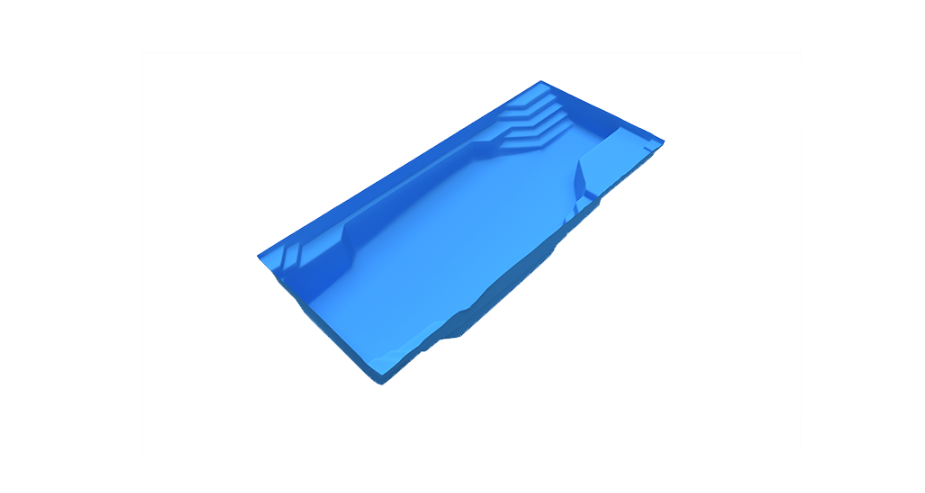
Not all fiberglass pools are the same. The model you choose determines the shape, size, depth profile, and built-in features of your pool. National Pools & Spas carries fiberglass pools from SwimUSA Pools and Latham Pools, two of the most respected manufacturers in the industry.
SwimUSA Pools offer a range of shapes from classic rectangles to freeform designs, with options that include built-in spas, tanning ledges, and beach entry. The Danbury and Manhattan models are popular choices for New Jersey backyards that need a clean, rectangular design with efficient use of space. The Dover Spa and Little Rock Spa models are excellent for buyers who want the hydrotherapy benefits of a spa combined with a compact footprint.
Latham Pools bring a broader range of shapes and finishes, with options suited to larger properties and buyers who want more visual impact. Latham’s manufacturing standards are among the highest in the fiberglass segment, and their pools carry warranties that reflect that confidence.
When choosing a model, the key variables are the available space in your backyard, how you intend to use the pool (lap swimming vs entertaining vs family play), and whether you want any additional features like tanning ledges or attached spas. Our team at National Pools & Spas works through this with every customer before any commitments are made.
What to Expect During the Installation Process in NJ
Understanding the installation process helps you plan around it and set realistic expectations with your household. Fiberglass pool installation in New Jersey generally follows a consistent sequence, though timelines can shift based on permitting, weather, and site conditions.
Step one is the permit. New Jersey requires permits for inground pool construction in every municipality. The permitting timeline varies by town and county. In some areas it takes two to three weeks. In others, particularly in Hunterdon County, it can take longer. Your installer handles the permit application, but factoring in this step is important when planning your project start date.
Step two is excavation. Once permits are in hand, the site is marked and an excavator digs the hole to the exact dimensions of your chosen shell. This typically takes one to two days.
Step three is delivery and installation. The fiberglass shell is transported to your property, usually by a flatbed truck, and craned into the excavated hole. The plumbing connections are made, the pool is backfilled, and the surrounding area is prepared for decking.
Step four is the surround. The pool deck, coping, and any additional landscaping are completed around the shell. This phase has the most variability in timeline depending on the scope of the surround work.
From excavation to a swim-ready pool, most fiberglass installations in NJ take seven to fourteen days of active work. The total calendar time from contract signing to first swim is typically six to ten weeks, accounting for permitting.
Caring for Your Fiberglass Pool Through NJ Seasons
One of the most practical advantages of a fiberglass pool is how manageable it is to maintain across New Jersey’s distinct seasons. Summer maintenance is straightforward: the smooth surface keeps algae at bay, and the reduced chemical demand means less time adjusting chemistry and more time in the water.
Closing the pool for winter in NJ requires a few specific steps. The water chemistry needs to be balanced before closing. The plumbing lines are blown out and plugged to prevent freeze damage. A winter cover goes on, and the pool sits until spring. Because fiberglass is non-porous, there is no need to drain the pool for winter, which is important because an empty fiberglass pool can pop out of the ground if the water table rises. Always follow your installer’s winterising instructions precisely.
Spring opening is equally straightforward. Remove and store the winter cover, reassemble the filtration system, test and balance the water, and the pool is ready. Our service team at National Pools & Spas handles pool openings and closings for customers across our service area.
Is Your Backyard Right for a Fiberglass Pool?
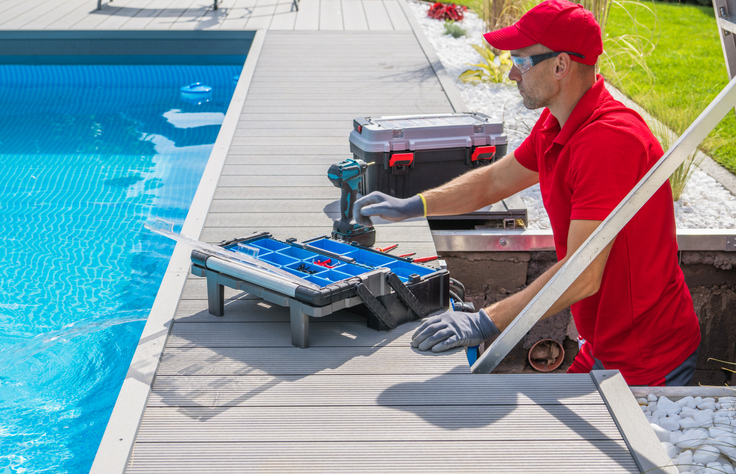
Fiberglass pools are not the right fit for every property. Because the shell is delivered as a single unit and craned into place, the access route to your backyard matters. Properties with narrow side yards, power lines, large trees close to the access path, or significant grade changes can present challenges. An experienced installer will assess access during the initial site visit.
Pool size is another consideration. Fiberglass pools are available in a wide range of sizes, but they are limited by what can be transported on a flatbed truck. Very large pools, or pools with unusual custom shapes, are better served by a concrete or vinyl build. For most NJ residential backyards, however, fiberglass models offer more than enough variety to find a strong fit.
Soil conditions in central NJ can also be a factor. Sandy or unstable soils require additional preparation during installation. Our team conducts a site assessment as part of the pre-build process to identify any soil conditions that need to be addressed before installation begins.
Frequently Asked Questions
How much does a fiberglass pool cost in New Jersey?
Fiberglass pool costs in New Jersey vary based on the model, size, site conditions, and the scope of the surrounding deck and landscaping work. As a general guide, a fiberglass pool installation including the shell, excavation, plumbing, and basic deck work typically ranges from mid-forties to mid-eighties thousand dollars. Larger models or more elaborate surrounds will be higher. Contact our team for a quote specific to your property.
Prices are only an indication and are subject to change. Please contact us for a full quote specific to your location and pool installation requirements.
Do fiberglass pools hold up to New Jersey winters?
Yes. The flexibility of the fiberglass shell is an advantage in freeze-thaw climates like New Jersey. The shell can accommodate slight ground movement without cracking. Proper winterising, including balanced water chemistry, blown-out plumbing lines, and a quality winter cover, ensures the pool comes through every NJ winter without issue.
How long does fiberglass pool installation take in NJ?
The active installation work typically takes seven to fourteen days. The full calendar timeline from contract signing to first swim, including permitting, is generally six to ten weeks. Permitting timelines vary by municipality, so starting the process early in the year is recommended for homeowners who want to swim in the current season.
Can I finance a fiberglass pool in New Jersey?
Yes. National Pools & Spas offers financing options for pool purchases. Our team can walk you through the available plans so you can choose the terms that fit your situation.
Internal Link: Explore pool financing options -> https://www.nationalpoolsandspas.com/financing/
What pool brands does National Pools & Spas carry?
We carry fiberglass pools from SwimUSA Pools and Latham Pools, two of the most respected manufacturers in the industry. Our showrooms in Hillsborough, Flemington, Lawrenceville, and Robbinsville have models on display so you can see the quality in person before you commit.
The Bottom Line
A fiberglass pool is the right choice for most New Jersey homeowners who want a low-maintenance, durable, and comfortable inground pool that will hold up through decades of Garden State summers and winters. The faster installation timeline, reduced chemical demand, and lack of liner replacements make it a strong long-term value proposition compared to vinyl and a more accessible entry point compared to custom concrete.
The best way to know if it is right for your specific backyard is to have an expert assess the site and walk you through the options in person. National Pools & Spas has been serving NJ homeowners since 1955, with four showrooms across the state and a team that knows these specific local conditions inside and out.
Visit our fiberglass pool page to browse models and request a free estimate